Exploring Home Financing: Is 20% Down Really Necessary in Chandler?
Many believe a 20% down payment is essential for homebuying. Discover options that can help you buy your dream home without draining your savings.
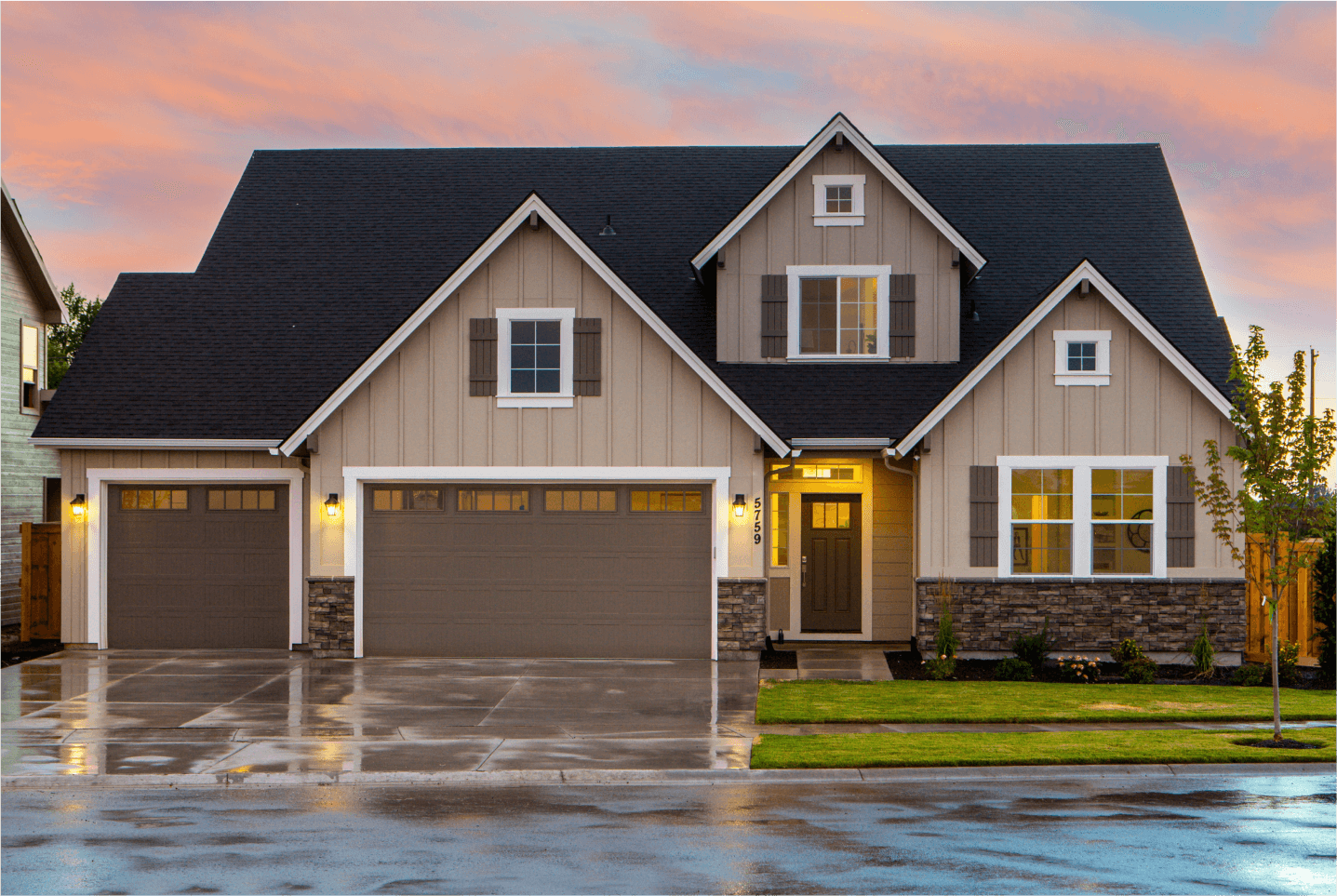
When it comes to buying a home in Chandler, one of the most common questions that people have is whether they really need to put down 20% of the purchase price. It’s a good question and one that deserves a thorough exploration. Many consumers believe that putting down a significant amount of money is the only way to secure a mortgage. However, the truth is that there are several factors to consider, and 20% is not always necessary to achieve homeownership.
First and foremost, let’s talk about the traditional reasoning behind the 20% down payment. Historically, it has been seen as a benchmark for securing favorable loan terms and avoiding private mortgage insurance (PMI). PMI is an additional cost that lenders typically require when a borrower makes a down payment of less than 20%. This insurance protects the lender in case the borrower defaults on the loan. While it’s true that a larger down payment can lead to lower monthly payments and potentially better interest rates, it’s crucial to understand that it is not the only path to homeownership.
In Chandler, many first-time home buyers or those looking to move up may not have the ability to save a 20% down payment. However, that doesn’t mean they have to give up on their dream of owning a home. There are various loan programs available that allow for much smaller down payments. For example, FHA loans may require as little as 3.5% down, and certain conventional loans might allow for 5% or even 3% down in some cases. These options make homeownership more accessible, especially for those who are just starting out or who may have other financial commitments.
Additionally, putting down less than 20% can free up some of your savings for other important expenses. When purchasing a home, there are often many additional costs beyond just the down payment. Closing costs, moving expenses, and home maintenance should all be considered as part of your financial planning. By keeping your down payment lower, you may have more flexibility to allocate your funds toward these important aspects of buying a home.
Another important consideration is the current real estate market in Chandler. The housing market can fluctuate, and waiting to save up for that 20% down payment may mean missing out on a great opportunity. Market conditions can change, and home prices may rise while you’re busy saving. By taking the plunge with a smaller down payment when the market is favorable, you may find yourself in a better position in the long run. It is essential to stay informed about the local market trends and to discuss them with someone who can provide insights specific to your situation.
For those who are concerned about monthly payments, it is also worth noting that while a larger down payment decreases the size of your loan, it’s not the only factor that influences your monthly mortgage payment. Interest rates, loan terms, and property taxes all play a vital role. Therefore, it is essential to look at the bigger picture when determining your budget and how much you can afford to put down.
Now, let’s talk about building equity. While a larger down payment can help you build equity in your home faster, it’s important to remember that you can still build equity with a smaller down payment. Making consistent mortgage payments, keeping up with property maintenance, and possibly making extra payments on your principal can all help you increase your equity over time. Remember, homeownership is a long-term investment, and focusing on your equity-building strategies can be just as important as the size of your initial down payment.
Moreover, some consumers may be eligible for assistance programs that can help cover down payment costs. Many organizations offer grants or low-interest loans to first-time home buyers or those meeting certain income requirements. These programs can help bridge the gap and provide a pathway to homeownership without needing a hefty 20% down payment. Researching local programs and speaking with a knowledgeable mortgage loan officer can help you uncover potential opportunities that you may qualify for.
It’s also important to understand your financial situation fully. Are you in a stable position to take on a mortgage? It’s wise to review your overall debt-to-income ratio, credit score, and financial stability. Lenders want to ensure that you can manage your monthly payments comfortably. Being well-informed about your finances will empower you to make the best decision for your situation, whether that involves putting down 20% or taking advantage of a lower down payment option.
Another aspect to consider is personal comfort and lifestyle. Some individuals prioritize having a lower monthly payment, while others may prefer to live in a different area or a larger home. Think about your personal preferences and financial goals. If putting down 20% means compromising on your living situation, it may not be worth it if you can find a more balanced approach.
In summary, while the traditional notion of needing a 20% down payment still holds some weight, it is not an absolute requirement for homeownership in Chandler. With various loan options, assistance programs, and strategic financial planning, you can find a solution that works best for your unique situation. The key is to stay informed, weigh your options, and make a decision that aligns with your personal and financial goals.
If you’re considering buying a home and want to discuss your specific needs and options, I encourage you to reach out. I’m here to help you navigate this exciting journey and find the right home financing solution for you!